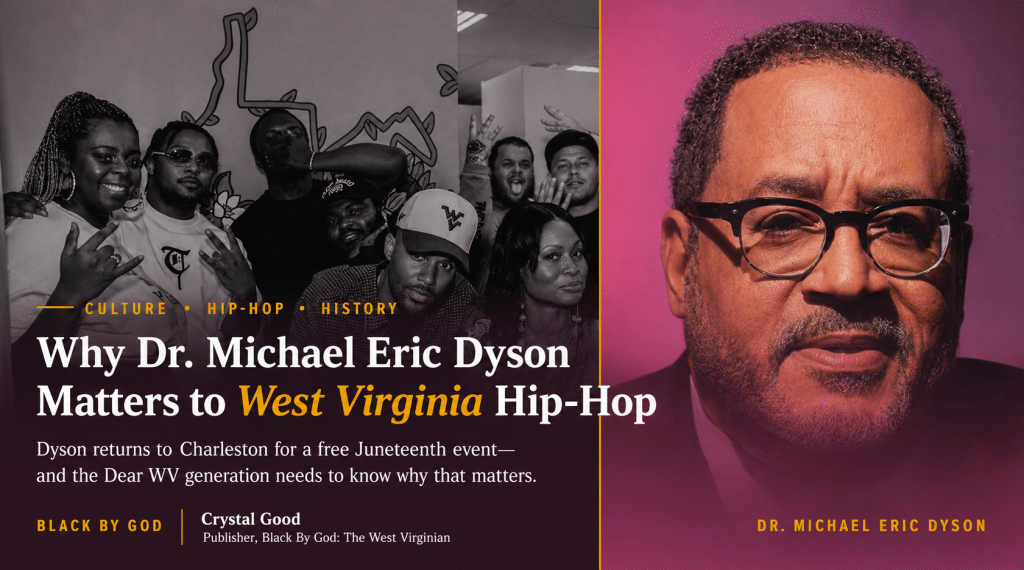
Why Dr. Michael Eric Dyson Matters to West Virginia Hip-Hop
As Charleston welcomes one of America’s leading public intellectuals for Juneteenth, West Virginia artists are building their own archive of Black Appalachian history through hip-hop.
I’m in the Dear WV “Label Meeting” group chat with a handful of participants from the larger Dear West Virginia Hip-Hop Awards challenge where more than 100 artists are building West Virginia’s hip-hop archive in real time.
I asked if anyone knew who Charleston’s Juneteenth speaker, Dr. Michael Eric Dyson, was.
Most people reached for Google.
That’s not a knock.
That’s the gap Black By God exists to fill.
Because Dyson probably doesn’t know about the Dear WV label meeting he needs either!
We all have a lot to learn from and about each other.
This Juneteenth, most people in West Virginia still don’t know West Virginia’s true emancipation story either.
When President Lincoln signed the Emancipation Proclamation on January 1, 1863, West Virginia was carved out with an asterisk — enslaved people here were not freed.
The proclamation exempted states considered loyal to the Union, and West Virginia’s status meant enslavers could legally keep people in bondage. Children under a certain age were to be gradually freed. Those already enslaved remained so.
It was not until February 3, 1865, that West Virginia ratified the Thirteenth Amendment and declared all enslaved persons free.
That history lives in the shadow of every American freedom date, and for most of my West Virginia life it was never talked about.
Other Appalachian communities have their own emancipation dates. Kentucky and Tennessee mark August 8.
Imagine the celebration on February 3.
Just as we are doing in this moment through Dear West Virginia.
The Dear West Virginia Hip-Hop Awards are happening June 20, writing a different West Virginia freedom story into the consciousness of a generation — curated by BBG Culture Reporter and Photographer Leeshia Lee and Producer Myles T., and presented by BBG and Cam’s World.
Who Is Michael Eric Dyson and Why Should West Virginia Hip-Hop Care?
Charleston residents will have a chance to find out on Thursday, June 18, when Dr. Michael Eric Dyson headlines a free Juneteenth Fireside Chat at the Charleston Coliseum & Convention Center. The event, presented by the Charleston Juneteenth Committee, is part of a week of Juneteenth programming.
Dyson has spent his career, like our own Leeshia Lee with a camera, documenting hip-hop as history now.
Dyson argues that hip-hop is testimony — that the record of who we are and where we come from lives in the music.
The same work Dear West Virginia is doing right now, right here.
He wrote Holler If You Hear Me in 2001 — the book that gave Tupac Shakur his rightful place in American literary and cultural history, earning Dyson recognition as a voice on hip-hop, race, and the Black experience in America.
He is the author of more than 25 books, including seven New York Times bestsellers, and a Distinguished University Professor at Vanderbilt University. He is the recipient of the 2020 Langston Hughes Medal, the American Book Award, and two NAACP Image Awards.
Rev. Matthew Watts — senior pastor of Grace Bible Church on Charleston’s West Side and respected public historian — calls him “one of our top Black scholars.”
Jay-Z texts him personally.
Earlier this year, as reported by OkayPlayer and Baller Alert, Dyson publicly revealed that Jay-Z disagreed with his comparison of Kendrick Lamar’s “Not Like Us” to Donald Trump’s political rhetoric. Dyson later apologized, saying the exchange should have remained private between them.
Jay-Z’s position was that a rapper and a politician can’t be conflated — that lyrics operate by a different code than political rhetoric, pointing to his own legendary battle with Nas as proof.
West Virginia hip-hop is already having its own political conversation. Telling the story of where you come from, with hundreds of other people coming together in one shared creative act across the internet, is a political act.
The Dyson Family Has Been to Charleston Before
In February 2017, Dr. Dyson delivered a Black History Month Convocation at West Virginia State University in Institute, where he spoke to a packed auditorium and signed copies of his then newly released Tears We Cannot Stop.
In 2007, his wife, Rev. Marcia L. Dyson, performed with her choir at the March for Megan Williams at the State Capitol, when hundreds gathered in Charleston to demand hate crime charges after Williams, a young Black woman, reported being kidnapped and tortured by six white captors in Logan County.
The case drew national attention and was later complicated when Williams recanted her account.
Charleston, the week of June 18, is a different city than the one that marched in 2007 or that Dyson visited in 2017.
West Virginia has changed politically, economically, and culturally.
Today Republicans hold 91 of 100 House seats and 30 of 34 Senate seats. West Virginia has experienced the largest percentage population decline of any state since the 2020 Census.
Communities across the state continue to struggle with reliable drinking water, public health challenges, foster care crisis, data centers, and economic uncertainty.
The ground has shifted under everyone’s feet.
“Dear West Virginia” is documenting the beautiful and the hard, because sometimes all you have to hang your lyrics on is Jason Williams, Randy Moss, and a pepperoni roll.
But you hold onto them because they are yours.
That identity is being shaped into something by what West Virginia hip-hop artists are building on together, and always have.
Charleston is full of people moving between those worlds — from the hip-hop community to historians and public thinkers like Dyson.
They just haven’t all been in the same room yet.
As Dr. Shanequa Smith, Juneteenth Committee Member, told BBG:
“Juneteenth is not only a place for us to celebrate — it is a moment to make connections and remind ourselves that collectively we are the solution.”
Maybe that’s why Michael Eric Dyson matters to West Virginia hip-hop.
And maybe it’s why West Virginia hip-hop should matter to Dr. Michael Eric Dyson.
Dear Charleston: The Week of June 18 Is the Place to Be
Thursday, June 18
AAPA Dyson Juneteenth VIP Reception
Charleston Coliseum & Convention Center · 5–6 p.m.
Free · 100 seats · First come, first served
Dr. Michael Eric Dyson Fireside Chat
Charleston Coliseum & Convention Center · 6–8 p.m.
Free · $5 parking
Friday, June 19 — Juneteenth
3rd Annual Juneteenth Farm to Table Dinner
Capitol Market · Hosted by Keyarna “Chef Ke” Frederick · 6–8 p.m.
Honoring Black West Virginia farmers and the Appalachian food tradition.
Talib Kweli with the Jordan Dyer Trio
Haddad Riverfront Park
A hip-hop legend, conscious and uncompromising, sharing a stage with West Virginia’s own.
Saturday, June 20 — West Virginia Day
Dear West Virginia Hip-Hop Awards 2026
The India Center · Black Tie Affair
Celebrating the artists and voices building West Virginia’s hip-hop story.
Charleston WV Pride Bar Crawl
Downtown Charleston · 4 p.m.
Sunday, June 21 — Father’s Day
Little Lecture: Neema Avashia
“Appalachian Boston: A West Virginian Reflects on ‘The Cradle of the Revolution'” RSVP required.
Avashia is a southern West Virginia native, daughter of Indian immigrants, and Boston Public Schools civics teacher whose memoir Another Appalachia: Coming Up Queer and Indian in a Mountain Place was a 2022 New England Book Award finalist.
If you appreciate BBG's work, please support us with a contribution of whatever you can afford.
Support our stories
Author
Related Articles
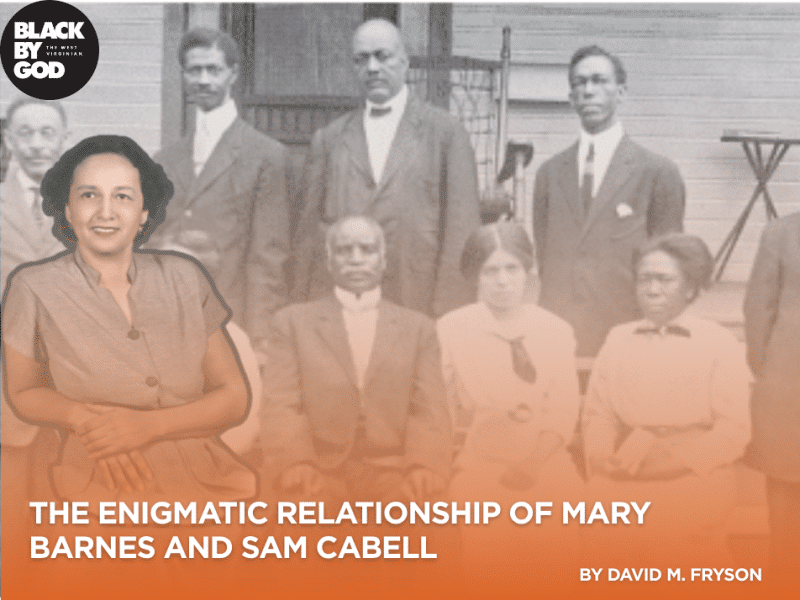
The Enigmatic Relationship of Mary Barnes and Sam Cabell
Discover how formerly enslaved Mary Barnes Cabell secured land in Kanawha County, establishing the town of Institute and paving the way for West Virginia State University.
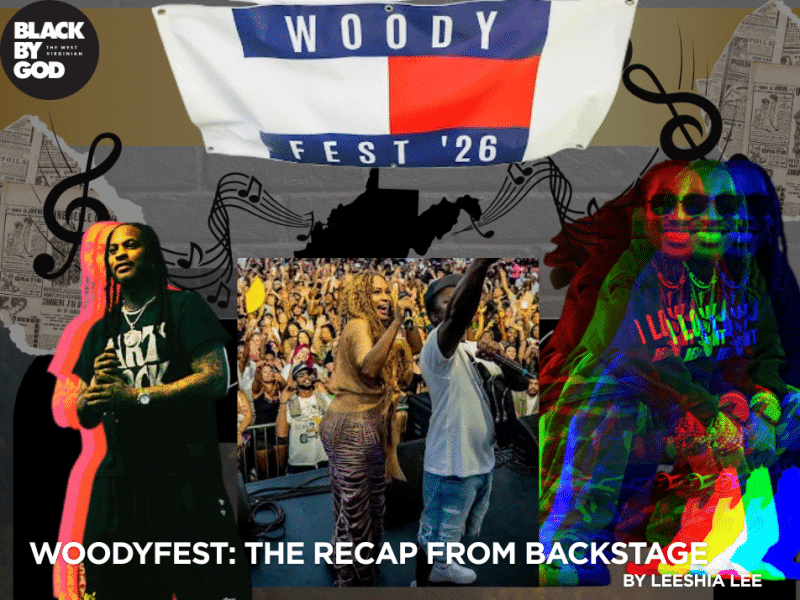
Woodyfest: The recap from backstage
Relive Woodyfest: DJ Woody Woods brought national stars Waka Flocka & Ying Yang Twins to Dunbar, WV alongside a powerhouse showcase of local hip-hop talent.
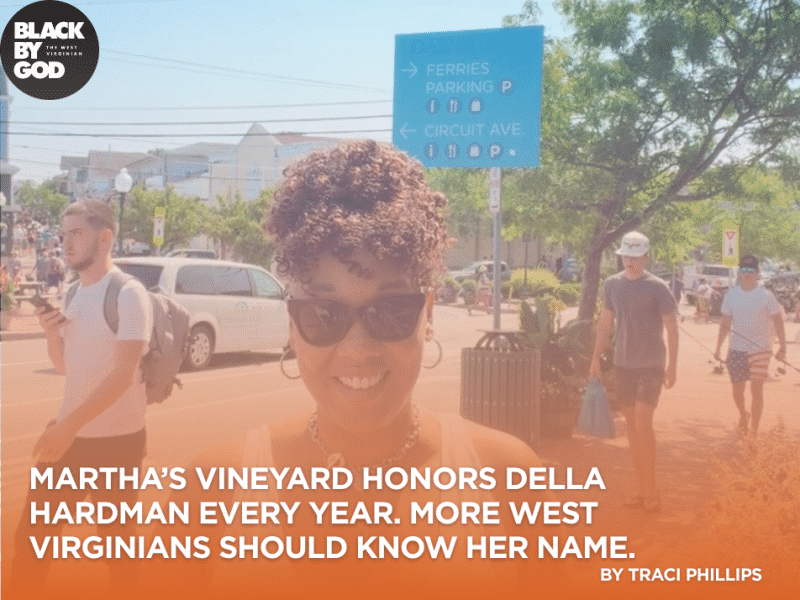
Martha’s Vineyard Honors Della Hardman Every Year. More West Virginians Should Know Her Name.
Charleston-born artist and educator Della Hardman taught at West Virginia State before building an enduring cultural legacy in Oak Bluffs.