How one Black WV urban farmer plans to use land acquisition, tea blends and alliances to nurture growth
By Jeffrey McKinney, BBG Folk/Business Reporter
Like other entrepreneurs, Chamear Davis, at times, faces problems. A Black urban farmer and founder of Charleston’s Mear Mae’s Meadow farming initiative, Davis cites limited income sources and being an emerging startup enterprise among her biggest challenges.
“We are a young business, only in production for one year, so our revenue streams are still being identified and developed,” Davis said.
Another hurdle Davis noted is that her 4,500 square-foot vertical lot in Charleston is still undeveloped and has not reached the peak level she desires.
“I cannot grow at the capacity I want, or for as much of the season as I want, because the structures and infrastructure for that are not in place yet,” Davis added.
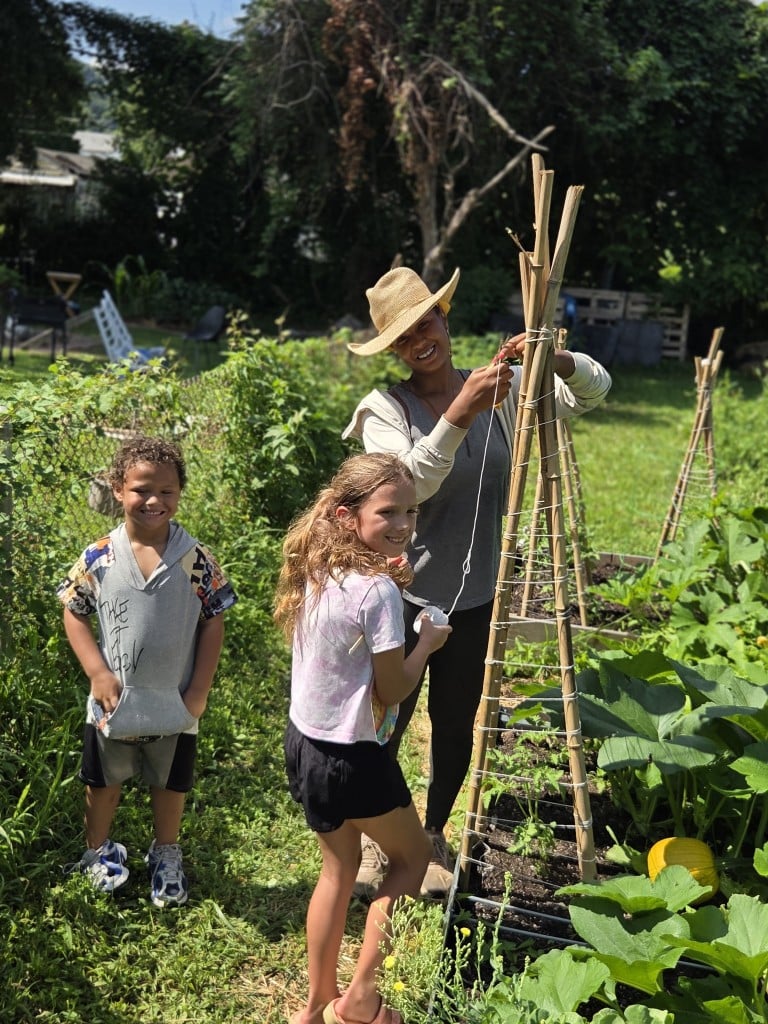
To increase acreage, Davis intends to acquire more lots around the Meadow. That includes empty lots across the street and adjacent ones owned by the Charleston Land Reuse Agency.
“We have a good opportunity to present our plans to the agency and bring those lots into our possession, and to use them for more growth,” Davis said.
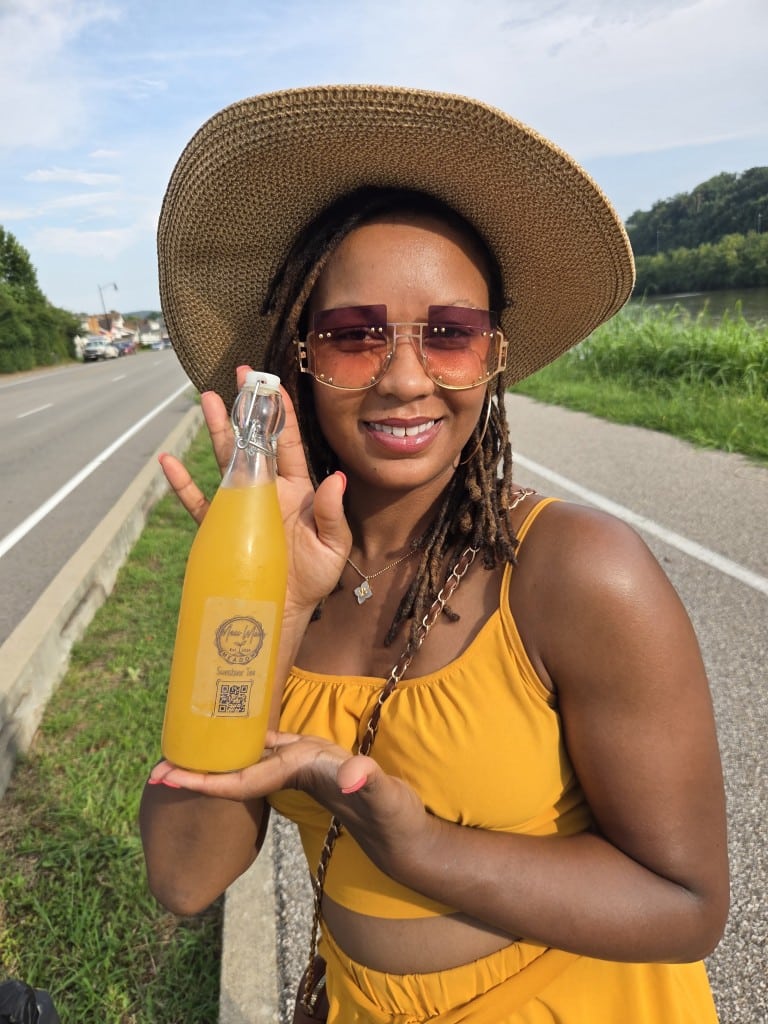
Davis furtheradded the greater capacity would let her farm par • Leverage products that come directly from what’s grown at the Meadow. Among those: microgreens and Sunshine Tea, a value-added product Davis is developing, along with other tea blends and seasonings. She says what is holding Sunshine Tea up from retail distribution is gaining permits from state regulators.
She added, “I am taking the Food Manager’s course, looking for a health department approved kitchen where I can produce it, and making sure I have the proper equipment, which helps keep costs and overhead down so the price stays accessible to the market I want to reach.”
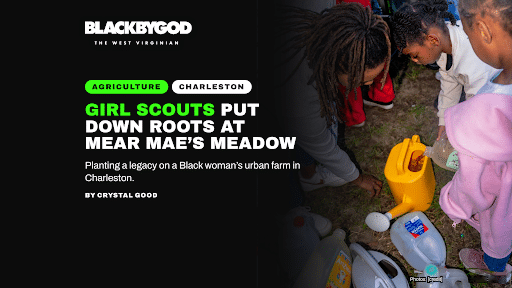
• Apply a tiered model that provides educational opportunities with real value. Davis says a business or for-profit organization that wants to use the Meadow as an educational avenue pays for that, generating income for the farm. Davis says for youth in the community and for nonprofit programs like the Girl Scouts, she plans to pursue grants and other revenue to cover supply and labor costs.
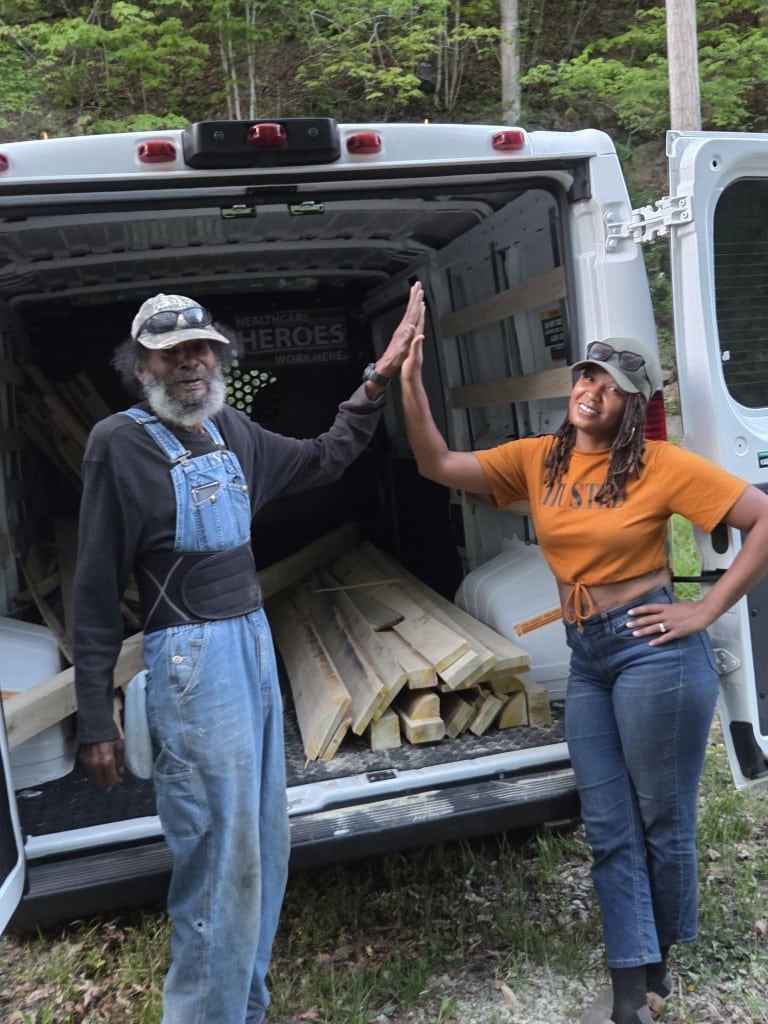
• Use alliances to build her business into a brand that can generate extra income beyond what a single urban lot can grow. For instance, Davis says her business partners with Jason Tartt. The owner of T&T Organics. Tartt runs a 350-acre farm in McDowell County in West Virginia.
“We are looking at additional revenue streams we can build together.” Davis says that includes providing labor on his land, where he has resources like mountain medicinal plants, mushroom foraging, and maple tapping that he does not have the labor force to fully realize. She added it will consist of bringing what he produces into urban areas to sell alongside her products and those from other producers at farmers markets.ticipate in organizations like the West Virginia Food is Medicine Coalition , providing some of its produce as prescriptions.
Read BBG’s previous reporting on “Food Is Medicine” HERE.
“We have a good opportunity to present our plans to the agency and bring those lots into our possession, and to use them for more growth.”
– Chamear Davis
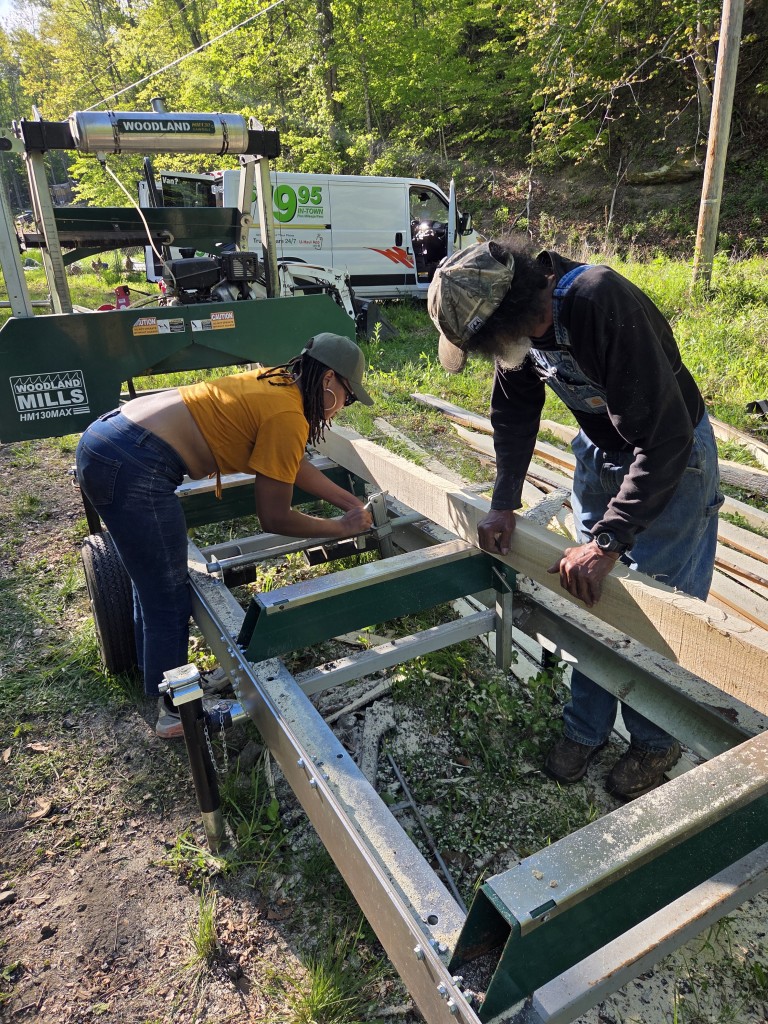
Davis said she plans to use a new $10,000 city grant from Charleston and additional funding to expand her farm’s infrastructure and buy lots. She added it has raised over $1,200 from a Go Fund Me account to help expand. Davis hopes to have all funding in place by late this year.
Davis is reportedly among a handful of Black urban farmers in West Virginia. All told, the number of Black-owned farmers in West Virginia that fallen from 504 a century ago to just 31 today, per this report by Black By God.
Still, urban farmers have emerged with the help of groups like the Black Gardners & Growers of West Virgina Davis is involved with. It supposedly has over 150 members who cultivate land and support food systems. Davis is a contributing writer for BBG.
Her agenda calls for expanding her business overall to boost revenue. “We’re positioning ourselves so that the things we’re doing can run consistently and sustainably.”
To help get there, Davis told BBG what some of her other strategies include:
- Leverage products that come directly from what’s grown at the Meadow. Among those: microgreens and Sunshine Tea, a value-added product Davis is developing, along with other tea blends and seasonings. She says what is holding Sunshine Tea up from retail distribution is gaining permits from state regulators. Davis added, “I am taking the Food Manager’s course, looking for a health department approved kitchen where I can produce it, and making sure I have the proper equipment, which helps keep costs and overhead down so the price stays accessible to the market I want to reach.”
- Apply a tiered model that provides educational opportunities with real value. Davis says a business or for-profit organization that – wants to use the Meadow as an educational avenue pays for that, generating income for the farm. Davis says for youth in the community and for nonprofit programs like the Girl Scouts, she plans to pursue grants and other revenue to cover supply and labor costs.
- Use alliances to build her business into a brand that can generate extra income beyond what a single urban lot can grow. For instance, Davis says her business partners with Jason Tartt. The owner of T&T Organics. Tartt runs a 350-acre farm in McDowell County in West Virginia.
“We are looking at additional revenue streams we can build together,” Tartt noted.
Davis says that includes providing labor on his land, where he has resources like mountain medicinal plants, mushroom foraging, and maple tapping that he does not have the labor force to fully realize. She added it will consist of bringing what he produces into urban areas to sell alongside her products and those from other producers at farmers markets.
If you appreciate BBG's work, please support us with a contribution of whatever you can afford.
Support our stories