Farm to Families: McDowell County looks to its agricultural community to fight food insecurity
McDowell County’s Farm to Families program provides 50 vulnerable households with $40/week in locally grown produce, tackling food deserts and economic equity.
By Matthew Young
“A lot of the beneficiaries of this program are Black families. This is helping to overcome – for lack of a better term – economic racism that has existed for generations here.”
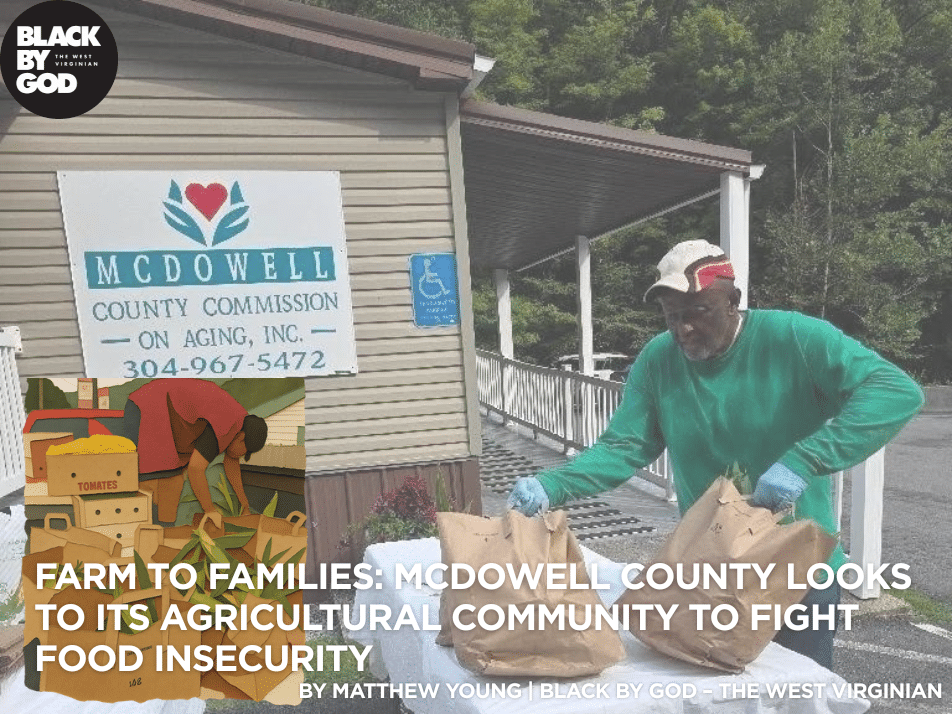
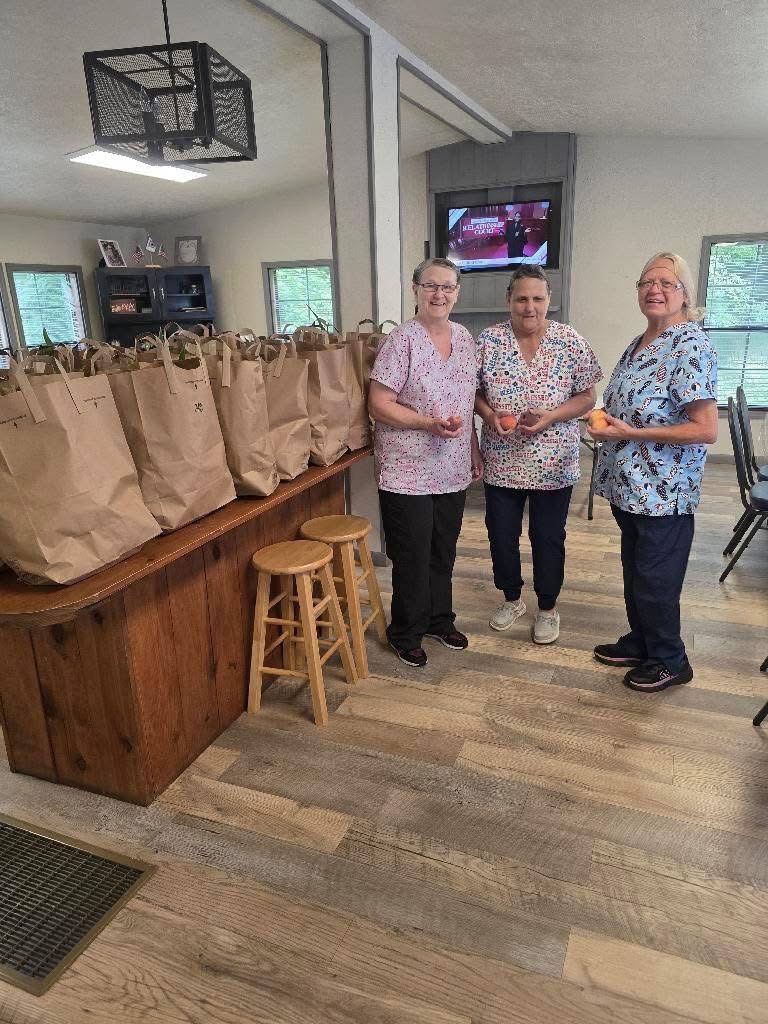
That’s what Brad Davis, co-chair of From Below: Rising Together for Coalfield Justice, told Black By God Wednesday, while discussing McDowell County’s recently launched Farm to Families program. A collaboration between From Below, T&T Organics, and the McDowell County Commission on Aging, the Farm to Families program is providing locally-sourced fresh food for 50 at-risk McDowell County households. The program officially began on Saturday.
“Essentially, Farm to Families is a subsidized community supported agricultural shares program,” Davis explained. “The local farmers in McDowell County are providing locally-sourced food that they are growing and sourcing themselves to vulnerable households in the county.”
“What we’ve done is obtain enough funding – and ‘we’ being From Below – to provide 50 households with $40 worth of locally-sourced food each week for 20 weeks,” Davis added. “The program will run from mid-August through mid-December.”
The McDowell County Commission on Aging, Davis noted, was an excellent choice to be a program partner due to their ongoing participation in West Virginia State University’s “Grandfamilies” initiative.
“Our senior population, along with our children, are two of the most vulnerable demographics when it comes to food insecurity,” David said. “The priority is being given to these households, where you have seniors and children co-existing in the home. The idea being – for lack of a better term – killing two birds with one stone.”
“[Farm to Families is] making a household with two vulnerable demographics more secure food-wise, in a county which is vastly food-insecure,” Davis added.
As reported by Feeding America, more than 300,000 West Virginians are struggling with food insecurity, with one-in-four being children. Over 37% of households in the Mountain State that currently receive SNAP (Supplemental Nutrition Assistance Program) benefits have children living in the home. In the coalfield county of McDowell, which is home to approximately 16,500 residents, nearly 4,000 – or just under 23% – have too little to eat.
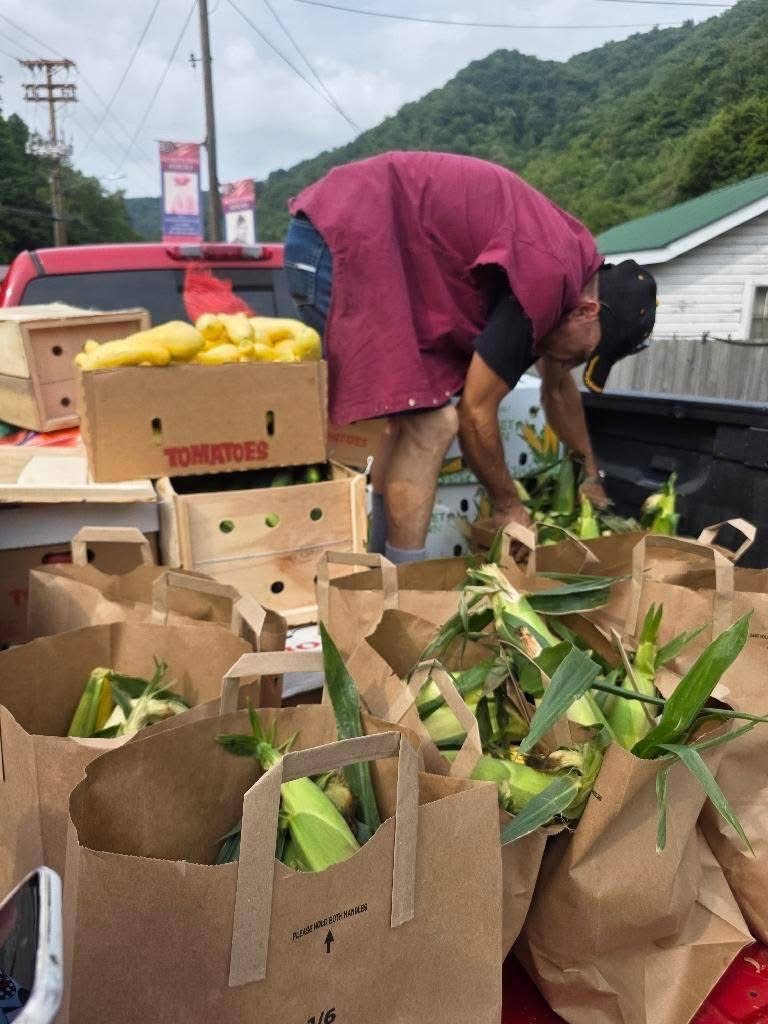
The program’s third partner, the Black-owned T&T Organics, is “committed to Black excellence through agripreneurship.” Owned and operated by longtime McDowell County resident Jason Tartt, T&T Organics has positioned itself as a regional agricultural-leader.
“With us living in mostly food deserts, poor and drug infested communities, agriculture just makes sense,” Tartt states on T&T Organics’ website. “Black people in the US are statistically the sickest group of people. We have no choice, getting engaged with food production and policing what our communities are being fed is critically important if we are going to change the situation for future generations of Black people. Food is our medicine and medicine is our food.”
A veteran of the U.S. Army with over 13-years of farming experience, Tartt serves as a mentor to EDGE (Economic Development Greater East) AgForce program participants. Tartt is also the Appalachian Regional Food Business Center Program Manager, and is a member of the Community Advisory Council for the Invest Appalachia Fund.
According to Davis, T&T Organics serves as the Farm to Families program facilitator. Not only does T&T provide food from their farm, but they are also sourcing food from Mr. Joe’s Poultry and Eggs and One Petal Nursery, both located in Berwind. Additional food is also provided by participants of the EDGE AgForce program.
All 50 households currently participating in the Farm to Families program are clients of the county’s Commission on Aging. And assuming funding can be secured for 2027, Davis said the program will not only continue, but will also expand.
“From Below is focused on any issue or injustice in the southern coalfields,” Davis said. “Our objective is to make sure that, number one, the communities of the southern coalfields have their basic needs met – what they need to survive. Whether that’s clean water, fresh and healthy food, enough food, poverty, housing issues, access to health care – any of that, we are involved in addressing.”
“We go deeper than just providing what people need by asking the questions about why the conditions exist, and what can we do to rectify it,” Davis continued. “We refer to ourselves as a faith-based community organizing and advocacy movement.”
“We’ve been working to raise awareness of the challenges faced in southern West Virginia,” Davis added. “If we think of West Virginia as being on the bottom of the American totem pole, southern West Virginia is at the bottom of West Virginia. Hence the name: From Below.”
The program recipients, Davis noted, are receiving the food at no cost.
“At the same time that we are making 50 households with seniors and children in them more food secure, we’re also addressing economic development as well,” Davis said. “The farmers are being reimbursed for the food that they are producing. Local farmers are putting money in their pocket.”
The funding for the program, Davis said, came after the February airing of the 60 Minutes episode which highlighted the struggles in McDowell County. After their representatives viewed the television program, the Florida-based Carolan Foundation contacted From Below, and requested they apply for a grant through their organization.
“This is the first phase of what we’re calling the ‘Peoples Survival Project,’ which is directly being funded by this grant from the Carolyn Foundation,” Davis said. “Phase two will launch in October.”
Phase two of the project, Davis explained, will go beyond food insecurity to tackle health care access head-on. According to Davis, the project’s second phase will see the creation of a medical clinic which will provide no-cost prenatal screenings, as well as midwifery training.
“We only have one hospital in McDowell County, and like most other hospitals in this neck of the woods, they don’t have a maternity ward,” Davis noted. “If you’re an expectant mother and you’re in McDowell County, you have to drive at least an hour in any direction to give birth in a hospital, so we’re trying to address that situation with the second phase of the project that is being funded through the Carolan Foundation.”
To learn more about the Farm to Families program or additional upcoming program specifics, visit From Below: Rising Together for Coalfield Justice on Facebook. For more information about T&T Organics, visit their website at ttorganics.com. For details about the Carolan Foundation, or to make a donation, visit carolanfoundation.com.
If you appreciate BBG's work, please support us with a contribution of whatever you can afford.
Support our stories
Related Articles
WV farmers question Trump’s decision to import beef
Local beef producers doubt the move will lower prices and believe it undercuts American farms.
Black Farmers in West Virginia Nearly Disappeared. This Is How Some Are Bringing the Land Back
From 504 Black-owned farms a century ago to just 31 today: Black By God examines how Black West Virginians are reclaiming farmland, legacy, and food systems.